Transforming Women's Health Through Advanced Technology
The landscape of women's health is in a perpetual state of evolution, driven by a deeper understanding of female physiology and the relentless pace of technological innovation. For the modern obstetrician-gynecologist, this dynamic environment presents both challenges and unprecedented opportunities. The paradigm has shifted from reactive treatment to proactive, personalized care, a transition made possible by advanced diagnostic tools that illuminate pathophysiology with remarkable clarity. Today's clinical practice demands more than foundational knowledge; it requires a mastery of technologies that can detect subtle anomalies earlier, guide interventions with greater precision, and ultimately, improve patient outcomes across the entire continuum of a woman's life. This integration of technology is not merely an adjunct to care but a fundamental pillar supporting the delivery of evidence-based, patient-centered medicine. As clinicians, our ability to harness these innovations defines the standard of care we provide, shaping the future of health for generations of women.
Understanding Women's Health in Modern Medicine
Women's health is a uniquely complex and comprehensive field, extending far beyond the scope of reproductive medicine. It encompasses a spectrum of physiological states and health concerns influenced by intricate hormonal fluctuations, from menstruation and pregnancy to perimenopause and post-menopause. This biological distinction necessitates a specialized approach that general healthcare models often fail to adequately address. Conditions such as endometriosis, polycystic ovary syndrome (PCOS), uterine fibroids, and pelvic floor disorders present diagnostic and management challenges specific to female anatomy and endocrinology. Furthermore, cardiovascular disease, autoimmune disorders, and certain cancers manifest differently in women, often leading to underdiagnosis or delayed treatment when assessed through a male-centric lens.
The recognition of these differences has underscored the necessity of a dedicated, lifespan approach to women's healthcare. It involves a continuum of care that addresses adolescent gynecology, fertility and family planning, comprehensive obstetric management of both low-risk and high-risk pregnancies, and the multifaceted health changes associated with aging. Effective women's healthcare requires an integrated understanding of how reproductive health intersects with overall systemic health. For the OB-GYN, this means serving not only as a specialist but also as a primary point of contact for preventive care, championing screening protocols for breast and cervical cancer, and managing the long-term health implications of gynecologic conditions. Modern practice, therefore, is defined by its capacity to provide nuanced, evidence-based care tailored to the distinct and evolving needs of each female patient.
The Significance of Advanced Technology in Elevating Care
The integration of advanced technology into women's health has catalyzed a fundamental transformation in diagnostic and therapeutic capabilities. These innovations are not incremental improvements; they represent a paradigm shift that empowers clinicians to practice with a higher degree of confidence and precision. The primary benefit lies in the realm of early and accurate detection. High-resolution imaging, for instance, allows for the visualization of subtle anatomical details and pathological changes long before they become clinically apparent through traditional examination or laboratory markers. This is particularly crucial in oncology, where the detection of a smaller, earlier-stage ovarian or endometrial lesion can dramatically alter prognosis and treatment options.
Improved diagnostic accuracy is another cornerstone of technological advancement. Where ambiguity once necessitated invasive procedures, sophisticated non-invasive tools now provide definitive answers. Advanced ultrasound modalities can differentiate between benign and potentially malignant adnexal masses with high specificity, helping to reduce unnecessary surgeries and patient anxiety. In obstetrics, enhanced imaging provides detailed fetal neurosonography and cardiac assessments, enabling prenatal diagnosis of complex congenital anomalies and facilitating crucial preparations for perinatal care. This level of detail empowers clinicians to provide more effective patient counseling and co-develop management plans with subspecialists.
Ultimately, these technological enhancements translate into superior patient outcomes and improved clinical efficiency. By refining diagnoses and enabling targeted, minimally invasive treatments, advanced tools reduce patient morbidity, shorten recovery times, and preserve fertility when desired. For the busy clinical practice, this translates to optimized workflows, more decisive patient management, and the ability to handle complex cases with greater proficiency. The ability to acquire clear, definitive data in a single session reduces the need for follow-up appointments and ancillary testing, providing value to both the patient and the healthcare system.
Revolutionary Diagnostic Technologies in Clinical Practice
At the forefront of the technological revolution in women's health are imaging modalities that have redefined the boundaries of visualization and diagnostic interpretation. These tools provide clinicians with an unprecedented view into female pelvic anatomy and fetal development, turning grayscale uncertainty into actionable clinical insights.
3D and 4D Ultrasound Imaging
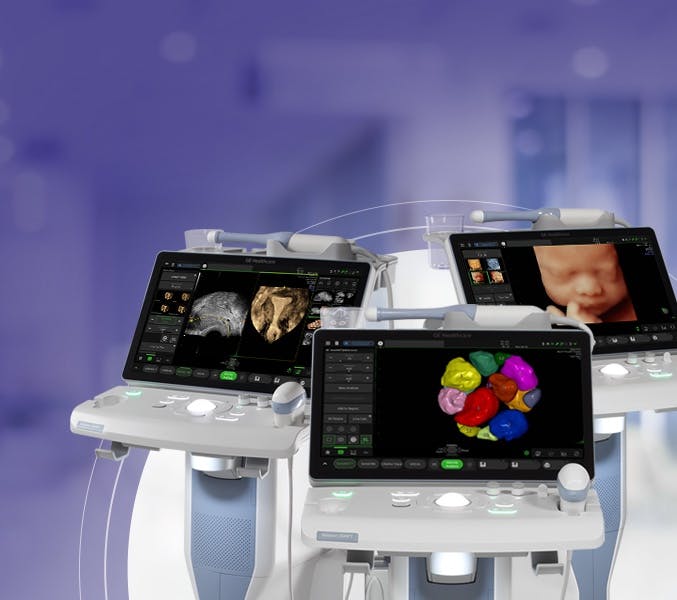
While two-dimensional ultrasound remains a foundational tool, volumetric ultrasound (3D/4D) offers a transformative leap in anatomical assessment. By acquiring a volume of data rather than a single planar slice, 3D ultrasound allows for reconstruction and analysis in any plane, including the coronal plane, which is often crucial for evaluating the uterine fundus and endometrial cavity. This capability is invaluable for diagnosing congenital uterine anomalies, such as septate or bicornuate uteri, which have significant implications for fertility and pregnancy outcomes. Furthermore, 3D imaging enhances the evaluation of intrauterine device (IUD) placement and localization of submucosal fibroids with unparalleled precision. In obstetrics, 4D ultrasound provides real-time, three-dimensional imaging of the fetus, which can improve the detection of surface abnormalities like cleft lip and palate and provides a powerful tool for parental bonding and comprehension of complex fetal conditions.
AI-Enhanced Screening Systems
Artificial intelligence and machine learning are rapidly moving from theoretical concepts to indispensable clinical partners. In ultrasound, AI-driven tools are automating and standardizing routine but critical tasks, thereby reducing operator variability and improving efficiency. For example, AI algorithms can automatically identify standard fetal biometry planes, perform measurements, and track fetal growth with high consistency. In gynecology, AI-powered software can assist in the characterization of ovarian masses by analyzing morphological features and vascularity patterns, aligning with systems like the O-RADS classification to stratify risk. These systems do not replace clinical judgment but rather augment it, acting as a "second reader" that highlights potential areas of concern, flags deviations from norms, and frees the clinician to focus on complex interpretation and patient interaction. The integration of AI promises a future of more consistent, efficient, and accurate screening for all patients.
Advanced Doppler Technology
Color and spectral Doppler have long been essential for assessing blood flow, but recent advancements have significantly expanded their diagnostic power. Technologies designed to visualize slow-flow microvasculature allow for a more detailed assessment of tissue perfusion in structures like the endometrium and ovarian stroma. This has emerging applications in reproductive medicine for assessing endometrial receptivity prior to embryo transfer and in oncology for characterizing the neovascularity of suspicious adnexal masses. In high-risk obstetrics, advanced Doppler analysis of the middle cerebral artery (MCA), umbilical artery (UA), and ductus venosus (DV) is critical for the surveillance of fetal anemia and fetal growth restriction. The ability to perform sophisticated hemodynamic assessments provides clinicians with vital physiological data, guiding decisions on the timing of delivery and improving perinatal outcomes in compromised fetuses. These Doppler innovations provide functional information that complements the structural detail seen on grayscale and 3D imaging.
Clinical Applications Across the Spectrum of Women's Healthcare
The true value of these advanced technologies is realized in their daily application across diverse clinical scenarios, where they demonstrably enhance diagnostic precision and guide patient management. From preconception counseling to postmenopausal care, these tools are reshaping evidence-based practice.
In obstetrics, the utility is profound. Early in the first trimester, high-resolution transvaginal imaging combined with 3D visualization aids in confirming IUP location, assessing complex early pregnancies, and evaluating the chorionicity of multiples. During the second-trimester anatomy scan, automated AI-driven measurement tools streamline workflows, while advanced imaging of the fetal heart and brain enables the detection of subtle but significant anomalies. For high-risk pregnancies complicated by conditions like preeclampsia or fetal growth restriction, serial advanced Doppler assessments are indispensable for monitoring fetal well-being and making critical decisions about delivery timing, a practice supported by guidelines from organizations such as the Society for Maternal-Fetal Medicine (SMFM).
In gynecology, advanced ultrasound has become the first-line imaging modality for a multitude of conditions. For patients presenting with abnormal uterine bleeding, 3D saline-infused sonohysterography provides an exquisite evaluation of the endometrial cavity, accurately identifying polyps, submucosal fibroids, and adhesions with a clarity that rivals hysteroscopy. In the workup of pelvic pain, clinicians can map the location of deep infiltrating endometriosis nodules and assess for adnexal adhesions. For adnexal masses, the combination of high-definition grayscale imaging, 3D morphology assessment, and sophisticated Doppler analysis allows for robust risk stratification, helping to distinguish benign from malignant potential and guide the appropriate referral to gynecologic oncology.
Reproductive medicine relies heavily on this technology to optimize outcomes for patients struggling with infertility. Detailed evaluation of ovarian reserve through antral follicle counts is now semi-automated, providing reproducible data. Monitoring follicular development during ovulation induction is more precise, and the assessment of endometrial receptivity using 3D volume and slow-flow Doppler is an area of active investigation to improve implantation rates. The precision afforded by these tools is instrumental in guiding a highly personalized and resource-intensive treatment journey.
Integrating Evidence-Based Technology into Clinical Practice
Adopting advanced diagnostic technologies requires more than a capital investment; it demands a strategic integration into the clinical ecosystem. A successful transition is built on a foundation of evidence-based protocols, team-wide training, and thoughtful workflow optimization. The first step is to establish clear clinical guidelines for the use of new modalities. This involves identifying which patient populations and clinical questions will benefit most from technologies like 3D imaging or advanced Doppler, ensuring the technology is applied judiciously and effectively. For instance, a practice may develop a protocol for routine 3D coronal plane acquisition for every patient undergoing a workup for infertility or recurrent pregnancy loss.
Comprehensive training is non-negotiable. This extends beyond the primary physicians to include sonographers, who are often the first to acquire and interact with the imaging data. Hands-on training sessions, simulation-based learning, and regular case reviews are essential for building proficiency and ensuring consistent, high-quality image acquisition. Fostering an environment of continuous learning, where team members share challenging cases and new techniques, is critical for maximizing the potential of the technology. Many academic societies and technology manufacturers offer accredited continuing medical education programs that can support this process.
Finally, workflow optimization is key to realizing the efficiency gains these technologies promise. This may involve customizing imaging presets, utilizing automated measurement and reporting packages, and ensuring seamless integration with the Picture Archiving and Communication System (PACS) and Electronic Health Record (EHR). By embedding these tools into the natural flow of a patient encounter—from image acquisition to final report—practices can minimize disruptions and maximize diagnostic yield. A well-integrated system allows clinicians to access and compare data efficiently, facilitating faster, more informed decision-making.
Addressing and Overcoming Implementation Challenges
Despite the clear clinical benefits, the adoption of advanced technology is not without its challenges. Proactively identifying and addressing these barriers is crucial for a successful implementation that enhances rather than complicates clinical practice. The most prominent obstacle is often the initial capital expenditure and the subsequent costs of maintenance, upgrades, and training. To justify this investment, practice leaders must conduct a thorough return-on-investment analysis, considering not only direct revenue from new procedures but also indirect benefits such as improved diagnostic accuracy (reducing costly downstream testing), enhanced patient satisfaction, and the ability to attract and retain both patients and high-quality clinical staff.
The learning curve associated with new technology is another significant challenge. Clinicians and sonographers accustomed to established methods may require substantial time and practice to become proficient with new platforms, software, and interpretive criteria. This can lead to a temporary dip in efficiency. A phased implementation strategy, starting with a core group of "super-users" who can then mentor their colleagues, can mitigate this issue. Allocating protected time for training and setting realistic expectations for the initial rollout period are essential for maintaining team morale and ensuring a smooth transition.
Finally, data management and IT integration can pose complex logistical hurdles. High-resolution volumetric datasets are significantly larger than traditional 2D images, requiring robust network infrastructure and archival solutions. Ensuring interoperability between the imaging equipment and the existing EHR and PACS is critical for a streamlined workflow. Engaging IT specialists early in the planning process can help prevent bottlenecks and ensure that the digital ecosystem can support the demands of the new technology.
Future Directions in Women's Health Technology
The current wave of innovation is merely the beginning of a deeper technological integration into women's health. The coming years will likely see the maturation and convergence of several key trends, further personalizing and democratizing patient care. Portable and point-of-care ultrasound (POCUS) devices are becoming smaller, more powerful, and less expensive. This will expand access to high-quality imaging beyond traditional hospital and clinic settings, enabling rapid assessment in labor and delivery suites, emergency departments, and even in remote or underserved communities. The proliferation of POCUS will empower a wider range of healthcare providers to make immediate, image-guided decisions.
Telemedicine, supercharged by the recent global health crisis, will become increasingly integrated with diagnostic imaging. The ability to conduct remote, real-time-guided ultrasound examinations or to securely transmit images for expert consultation will break down geographic barriers to specialized care. A patient in a rural clinic could receive a consultation from a maternal-fetal medicine specialist or gynecologic oncologist hundreds of miles away, greatly improving access to expertise.
Perhaps the most exciting frontier lies in the synergy of imaging with predictive analytics and genomics. By combining detailed imaging phenotypes—such as the texture analysis of a uterine fibroid or the vascular pattern of an ovarian mass—with a patient's genetic data and clinical history, AI algorithms may soon be able to predict disease progression, response to treatment, and individual risk profiles with startling accuracy. This predictive capability will shift the paradigm even further toward preventive medicine, allowing clinicians to intervene long before a disease manifests clinically, heralding a new era of truly personalized and prescient women's healthcare.